







Search Results for: French press principles
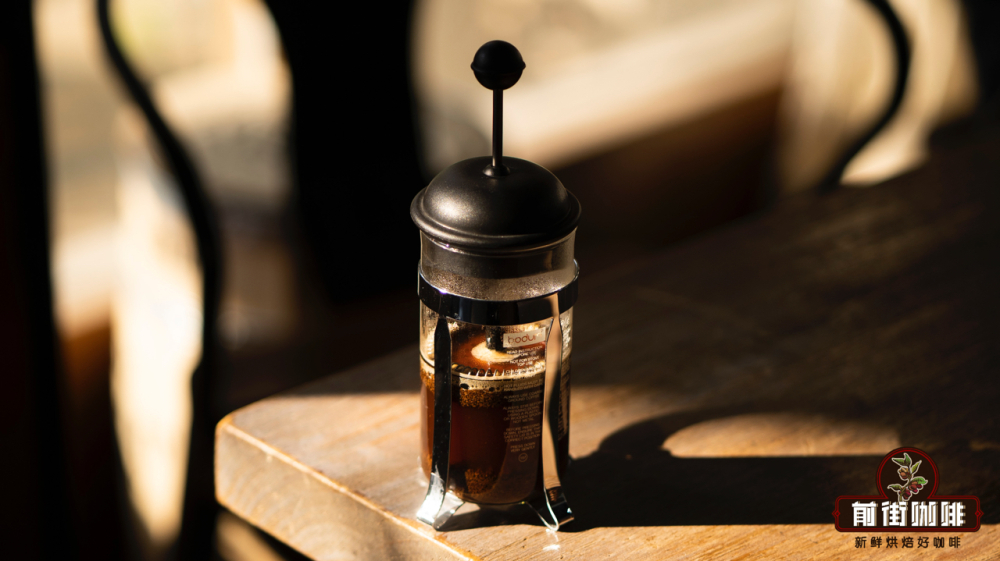
French Press Recommendations | Which Brand of French Press Is Good? Is a French Press Suitable for Coffee Beginners? An Introduction to the History, Origins, and Extraction Principles of the French Press
For more specialty coffee knowledge, please follow: Front Street Coffee (Frontsteet Coffee). WBC World Barista Championship competitor Suzuki Itsuki once said that the advantage of the French press is that its brewing principle is very simple, anyone can master it, and the coffee flavor will not vary due to different brewing techniques. [more…]
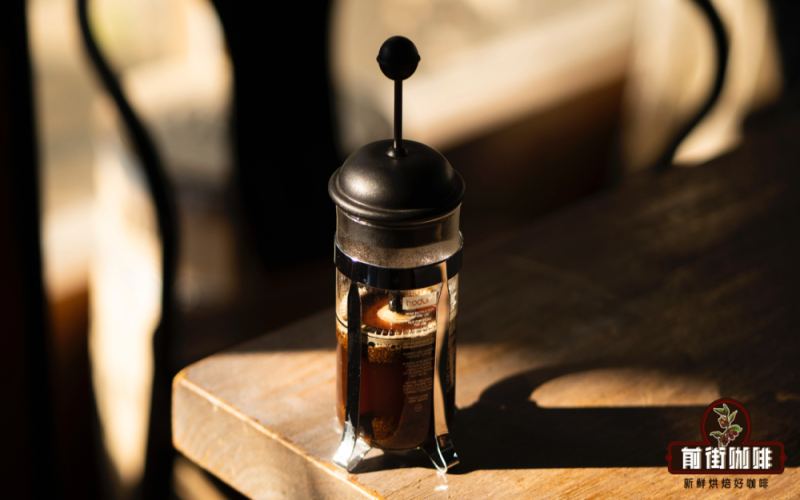
French Press Buying Guide: Extraction Principles, Brand Comparison, and Analysis of Cost-Effective Models
The French press has become a popular choice for home coffee brewing because it is easy to operate and requires no complex pouring technique. WBC World Barista Championship competitor Suzuki Itsuki once pointed out that the French press's standout advantage lies in its simple principle, easy learning curve, and freedom from paper-filter interference, allowing it to present the true taste of coffee directly. In this article, Front Street Coffee systematically sorts out the structure and extraction logic of the French press, explains in detail the four major variables of coffee-to-water ratio, grind size, water temperature, and steeping time, and shares recommended parameters for medium-light and medium-dark roasted beans. It also traces the historical development of the French press from the 1852 French patent to its commercialization by Bodum, recommends a bean list suited to it, including Front Street Brazil Queen's Estate, Honduras Sherry Barrel, Jamaica Blue Mountain No. 1, and Indonesia Golden Mandheling, and finally reminds readers of the key points for daily disassembly, cleaning, and maintenance, helping you choose a French press that is easy to use and not expensive. [more…]
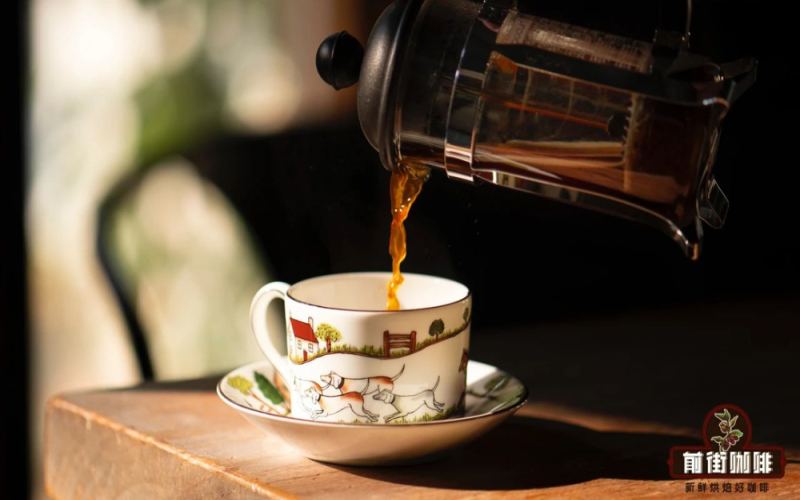
Is a French Press Worth Buying? Pros and Cons, Extraction Principles and Price Analysis, with Front Street Coffee's Practical Brewing Guide
For coffee beginners who have not yet mastered pour-over techniques, Front Street Coffee usually first recommends the French press—simple to operate and easy to get started with. Why can the French press win over coffee lovers who don't know how to do pour-over? This article will start with the origin and extraction principles of the French press, analyze its differences from pour-over coffee in taste and flavor, explain whether long steeping will extract undesirable flavors, and provide key parameters such as grind size, water temperature, and steeping time. In addition, taking the Costa Rica Musician Series Mozart coffee beans selected by Front Street as an example, it will fully demonstrate the French press brewing process and flavor performance, helping you judge whether the French press is expensive and whether it is worth buying. [more…]

The Complete Guide to Making Milk Foam with a French Press: Hot and Cold Milk Foam Methods, Latte Art Techniques, and the Principles and Key Points of Using a French Press
Want to make dense milk foam without an espresso machine? A French press costing around twenty yuan can help. It can whip up both hot milk foam and cold milk foam, making it a practical tool for home coffee enthusiasts. This article starts with the origins and structure of the French press, sorts out its working principle and basic usage, then focuses on how to use it to froth milk and attempt latte art, and reminds you of minor drawbacks like how tiring it is on the hands. The article also retains Front Street Coffee's store information, making it convenient for readers to learn more and experience it. [more…]
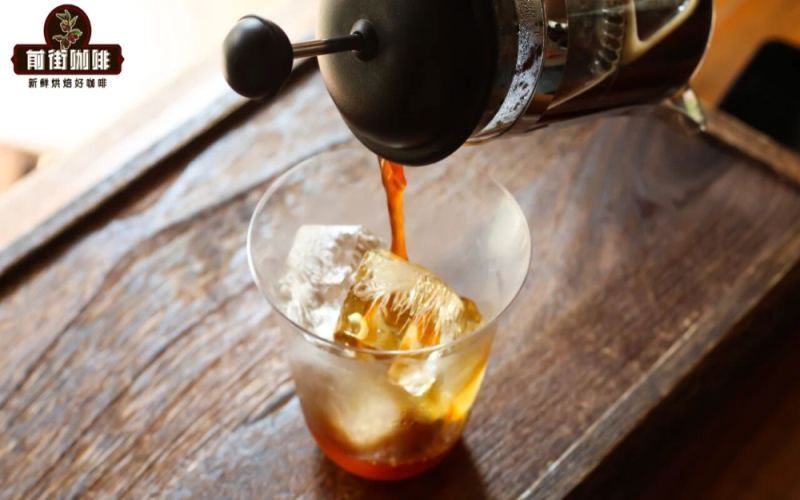
French Press Coffee Extraction Principles and Brewing Parameters Explained: From Grind Size to a Huakui Hands-On Demonstration
The French press is easy to operate and affordable, making it the top choice for many coffee novices entering the world of specialty coffee. However, behind the seemingly simple immersion extraction, there are actually many subtleties hidden, such as grind size, water temperature, and coffee-to-water ratio. This article will trace the historical origins of the French press, clarify its extraction principles, and provide a detailed analysis of the key points for brewing clean, rich coffee with a French press. At the same time, Front Street Coffee will use an Ethiopian Hualei natural-process bean as an example to demonstrate the entire process from parameter setting to pouring and pressing, helping you easily master the correct way to use a French press. [more…]
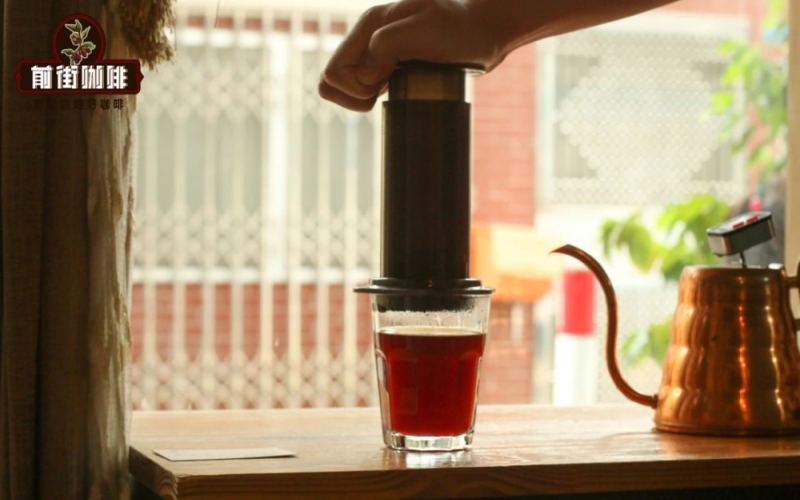
AeroPress vs. French Press Brewing Comparison: An Analysis of Extraction Principles, Grind Parameters, and Coffee Flavor Differences
The AeroPress and the French press are two coffee brewing devices that are both easy to operate yet vastly different in style. The AeroPress combines immersion, paper filtration, and pressure extraction to quickly produce a highly concentrated, clean, and full-bodied coffee; the French press, on the other hand, uses full immersion and a metal filter to separate the grounds, has a low barrier to entry, and can present the complete flavor of the coffee beans. This article will compare the two from dimensions such as extraction principles, grind size requirements, and water temperature recommendations, and using Ethiopian Gotingding coffee beans as a sample, will separately record the brewing parameters, operating steps, and flavor performance of Front Street Coffee's AeroPress and French press, helping coffee enthusiasts choose the appropriate device and brewing method according to their own needs. [more…]
How to choose coffee beans for a French press? From extraction principles to practical operation, a detailed explanation of whether a French press is suitable for beginners.
The French press is an immersion-style coffee brewing device with an extremely low barrier to entry, making it ideal for coffee enthusiasts who have not yet mastered pour-over techniques. It filters through a metal mesh, which retains more coffee oils, delivering a fuller body than pour-over while showcasing the flavors of the coffee beans themselves to the greatest extent. This article starts with the origins and extraction principles of the French press, analyzes reasonable parameters for its steeping time, water temperature, and grind size, explains the taste characteristics of French press coffee, and uses Costa Rica Mozart coffee beans as an example to demonstrate the complete French press process and flavor performance, helping readers fully understand what kinds of coffee beans suit the French press and what to pay attention to when brewing. [more…]
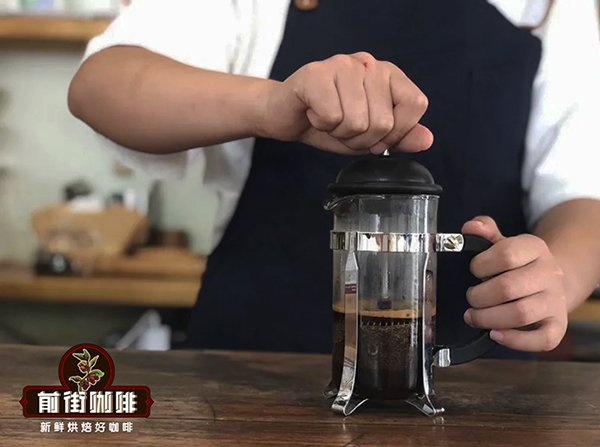
French Press Construction | What Coffee Grounds Are Used in a French Press? How to Brew Coffee with a French Press? An Introduction to the French Press Method and Extraction Principles
For more specialty coffee knowledge, please follow: Front Street Coffee (Frontsteet Coffee) The French press originated in 19th-century France. In English it is called French Press, and in Chinese it can also be called "法式压滤壶". Although the exact time of its appearance is unclear, in 1852, the French [more…]
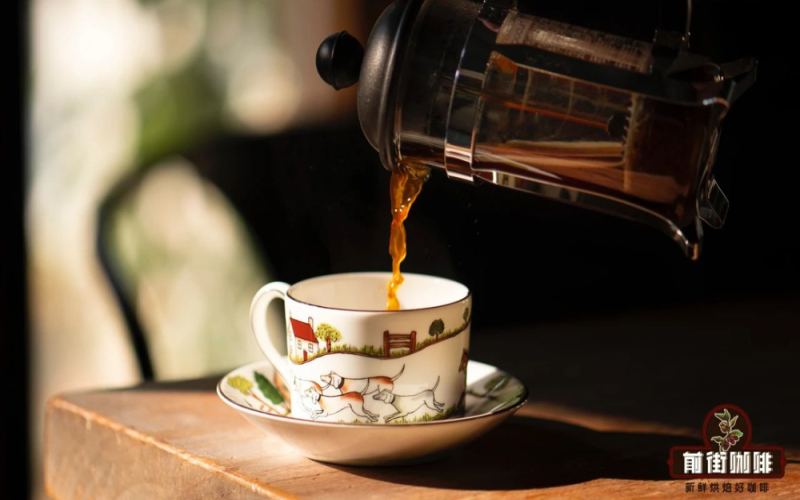
A Comprehensive Comparison of the French Press and the AeroPress: Extraction Principles, Brewing Performance, and Their Respective Advantages
The French press and the AeroPress are both easy-to-use, beginner-friendly coffee brewing devices. Both have the word "press" in their names, yet their extraction logic is completely different. The French press relies on a long steep and a metal mesh filter to separate the coffee grounds, giving a balanced, full-bodied cup; the AeroPress combines immersion, paper filtration, and air pressure for a richer layering of flavors. This article compares the two step by step—from their construction and extraction principles to how they brew the same Front Street Golden Mandheling—to help you decide which one better suits your daily brewing habits. [more…]
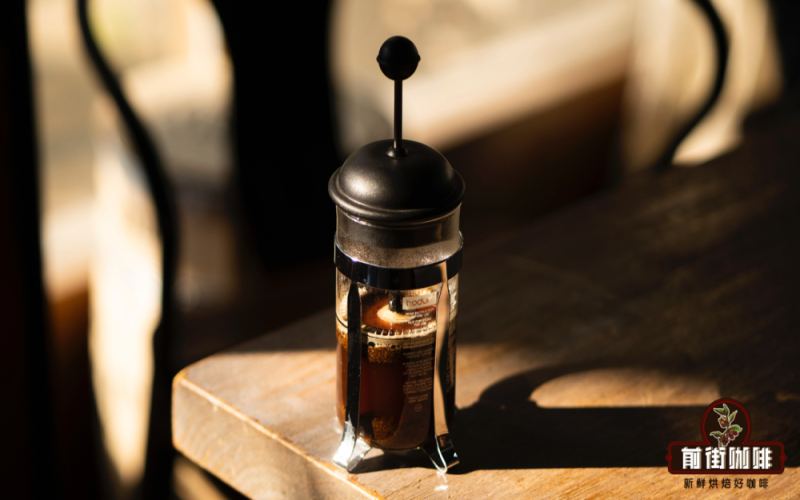
French Press Recommendations | What is the historical origin of the French Press? Which brand of French Press is more affordable and better value?
WBC World Barista Championship competitor Suzuki Shiki once said that the advantage of a French press is its very simple brewing principle—anyone can use it, and differences in brewing technique won't cause variations in coffee flavor. A French press can very directly express the coffee's own flavors, and at the same time is not affected by filter paper altering the coffee's flavor. [more…]
How do you use a French press correctly? A complete analysis from Front Street Coffee, from extraction principles to coffee bean selection
The French press, with its simple operation and easy-to-master nature, has become the go-to device for many pour-over beginners. It was born in France around 1850, consisting of a heat-resistant glass carafe and a metal plunger with a mesh filter. It was originally used for brewing tea, but later coffee enthusiasts discovered it could produce a rich, full-bodied cup. The French press uses immersion extraction, and the core factors affecting flavor are only grind size, water temperature, and steeping time, with minimal human interference, making it the best way to showcase the true character of coffee beans. In this article, Front Street Coffee will provide a complete guide to the correct use of a French press, from extraction principles and flavor characteristics to practical operation, and answer what coffee beans pair best with a French press, helping you easily make a rich, delicious cup of coffee. [more…]
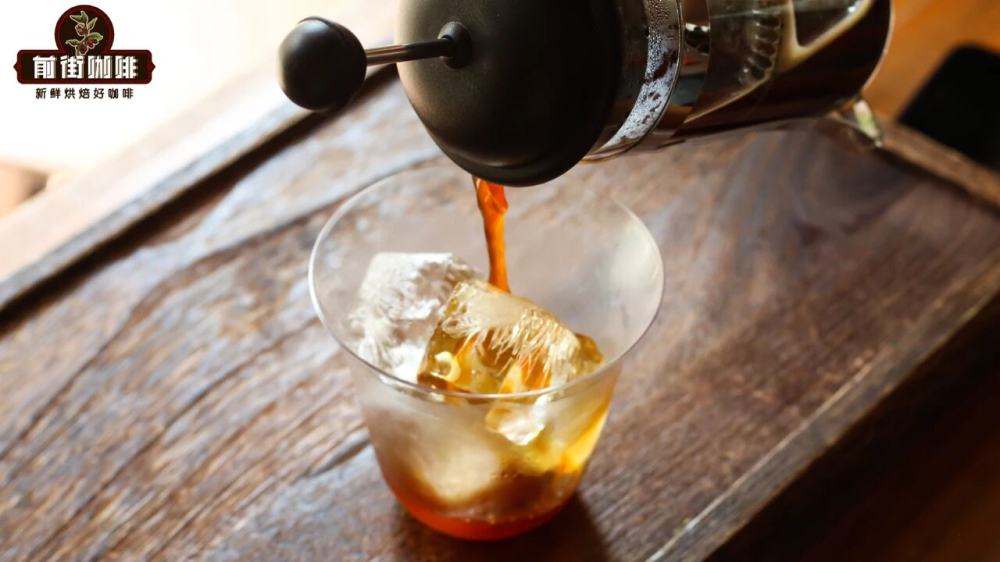
French Press Usage and Origin History | What Is the Extraction Principle of French Press Coffee? How Fine Should French Press Coffee Beans Be Ground? How to Use a French Press to Brew Sun-Dried Geisha Coffee Beans?
The history of the French press can be traced back many years, but there is much controversy over who exactly invented it. The first patent in history for a coffee brewing device similar to the modern French press was granted to an Italian from Milan named Attilio Callimani. Since [more…]

French Press Coffee Bean-to-Water Ratio|What is the extraction principle behind brewing coffee with a French press? Which coffee beans are suitable for brewing with a French press?
For more specialty coffee knowledge, please follow: Front Street Coffee (Frontsteet Coffee) The French press originated in 19th-century France; in English it is called French Press, and in Chinese it can also be called "French press pot." Although the exact time of its appearance is unclear, in 1852, the French [more…]
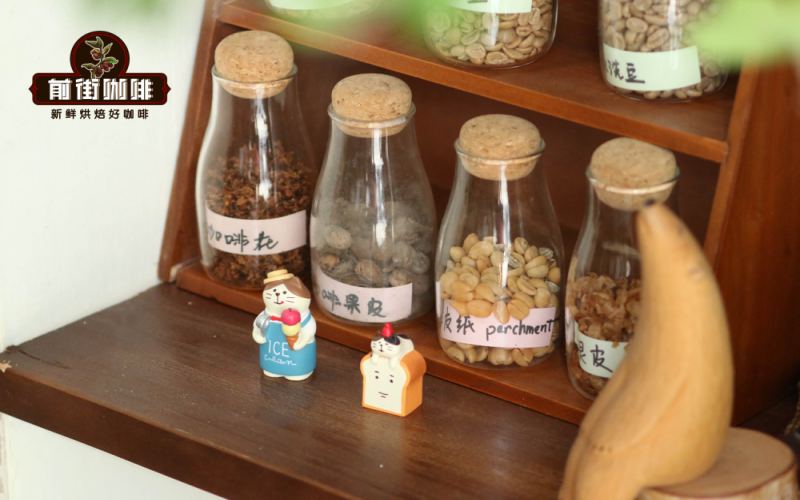
Smart Cup vs. French Press Brewing Differences Explained: A Full Comparison of Taste, Extraction Principles, and Suitable Scenarios
In the realm of immersion extraction, the French press and the Clever Dripper are two devices often compared to each other. They both use immersion, yet the final coffee flavor heads in completely different directions. Starting from Front Street Coffee's comparative experiment, this article first introduces the structure and operating principles of the two devices separately, then distinguishes them across dimensions such as material, shape, and pouring method, and finally takes [Front Street Sun-Dried Red Cherry] as an example, brewing separately under the same water temperature, grind size, and coffee-to-water ratio to explore where the French press's rich smoothness and the Clever Dripper's clean clarity actually come from, and what role oils and filter paper play in this, helping coffee lovers make a choice according to their taste preferences. [more…]
How to Use a French Press Correctly? From Extraction Principles to a Practical Guide with Costa Rica Mozart
For coffee beginners who have not yet mastered pour-over techniques, which brewing tool is the easiest to get started with? In its daily recommendations, Front Street Coffee often puts the French press first—it has a simple structure and a low operational threshold, yet it can produce a full-bodied cup of coffee. This article explains the origins of the French press, its immersion extraction mechanism, the flavor differences between it and pour-over coffee, and the specific operating process. It also uses the Costa Rica Musician Series Mozart coffee beans selected by Front Street as an example, providing complete parameters for coffee dose, coffee-to-water ratio, grind size, water temperature, and steeping time, helping readers quickly master this seemingly plain yet detail-rich device. [more…]
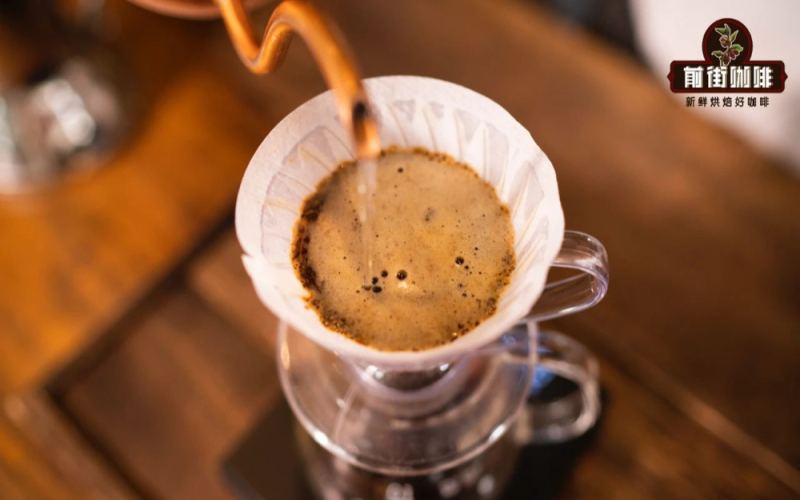
Analysis of Flavor Differences Between French Press and Siphon Coffee Brewing: Extraction Principles, Operation Methods, and Cup Profile Comparison
The French press and the siphon are two coffee brewing devices with distinctly different styles—the former is known for its simplicity and speed, while the latter is famous for its elaborate ritual and unique constant-temperature extraction. This article will systematically compare the differences in the cup quality produced by these two immersion-style devices from the perspectives of extraction principles, operating steps, parameter control, and flavor performance, helping coffee enthusiasts make a choice based on their own taste preferences. The article also compiles Front Street Coffee's recommended coffee bean lists for the French press and the siphon respectively, covering floral and fruity notes, nutty notes, chocolate notes, and other flavor directions for readers' reference when purchasing. [more…]
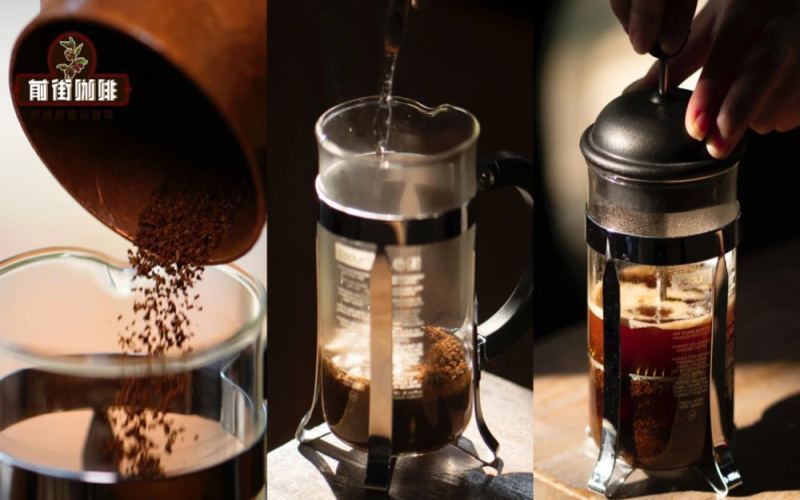
Can French Press Coffee Be Reused for Multiple Brews? A Detailed Explanation of French Press Extraction Principles and Standard Operating Procedure
The French press, with its minimalist operation and extraction results close to cupping, has become the top choice for many coffee enthusiasts starting out. It fully releases coffee oils and aromas while also placing higher demands on bean quality and freshness. This article begins with the origins and structure of the French press, explains why it is better suited to medium-dark roasted coffee, and gradually breaks down the complete French press brewing process—from coffee-to-water ratio, water temperature, and grind size to pouring, stirring, steeping, and pressing—while also answering the question of the oil content in French press coffee. The article also specifically recommends beans suitable for the French press, such as Front Street Strawberry Candy, Front Street Bird of Paradise, and Front Street PWN Golden Mandheling, helping readers easily reproduce a stable and delicious cup of French press coffee. [more…]
A Complete Beginner's Guide to the French Press: From Extraction Principles to Brewing Parameters, a Step-by-Step Guide to Making a Good Cup of Coffee
In a fast-paced life, do you crave a good cup of coffee but struggle to find the time? A French press might just be the ideal choice that balances convenience and flavor. It is simple to operate, easy to replicate, and fully preserves the coffee's oils and aroma, delivering a rich, rounded mouthfeel. It is neither as technique-demanding as pour-over nor as easy to pick up as espresso. This article will start with the origins, structure, and working principle of the French press, then break down in detail the steps and key parameters for making French press coffee, including the coffee-to-water ratio, water temperature, grind size, and steeping time. It will also compare the differences in oil extraction between espresso machines and moka pots, and share Front Street Coffee's professional advice on coffee bean freshness and grinding timing, helping you easily master the correct way to use this "lazy person's pot." [more…]
A Comprehensive Analysis of the French Press: From Extraction Principles to Brewing Steps and Crema Performance
The French press, also known as a French filter press or tea maker, is nicknamed the "lazy person's pot" due to its simple operation. It originated in France around 1850. It consists of a heat-resistant glass body and a metal filter with a plunger, and was initially mostly used for brewing black tea. The French press fully preserves the coffee's flavor and oils, offering a smooth, sweet, and rich mouthfeel. Its extraction rate is close to that of cupping, and it is the easiest method to replicate the same flavor, making it very suitable for beginners. However, it has higher requirements for coffee bean quality and freshness, and overly fine grinding can easily lead to over-extraction. This article will detail the pros and cons of the French press, the differences in oils compared to espresso and moka pot, and include the complete operating steps from Front Street Coffee. [more…]
A Complete Guide to French Press Coffee Brewing: A Practical Guide from Equipment Principles to Operational Details
The French press is called the lazy person's pot by many coffee enthusiasts. With a low operational threshold and stable output, it is an ideal choice for beginners. It not only presents the coffee's oils, aroma, and sweetness quite completely, but also, because its variables are easy to control, allows different people to reproduce a similar cup. This article will systematically introduce the origins and characteristics of the French press, and, combined with recommendations for Front Street Coffee beans, demonstrate step by step the complete process from weighing beans, pouring water, to filtering and serving, while also pointing out easily overlooked details such as grind size, water temperature range, coffee-to-water ratio, and pressing technique, helping you easily make a rich and full-bodied cup of French press coffee at home. [more…]